The rules matter more than you think.
New to Legislative Procedure?
The Filibuster
How the Senate's 60-vote threshold shapes what passes and what stalls — and the procedural moves that work around it.
House Procedure
How the House controls debate through special rules, structured amendments, and floor procedures — and why it operates so differently from the Senate.
Reconciliation
The budget process Congress uses to bypass the filibuster, including why it matters and what it can and can't do.
Strategy & Tactics
The procedural playbook leaders and members use to advance, block, or reshape legislation in real time.
In the News
Procedural analysis of what's happening in Congress right now.

Senators who understand how to draft policy changes as terms and conditions on federal spending or revenue and frame them that way can overcome the Byrd Rule’s most subjective tests.
Passing the SAVE America Act in a reconciliation bill will take longer and is more complicated than forcing its opponents to mount a talking filibuster.
A detailed guide to how Senate majorities can avoid unlimited amendments in a talking filibuster.
A step-by-step guide to how a determined majority can overcome minority obstruction without abolishing the filibuster.
This post highlights how the House can make it easier for the Senate to pass legislation.
This piece reviews the procedural tools that can shorten, structure, or otherwise discipline extended debate in the Senate.
The Senate
Has the Senate always relied on cloture to overcome obstruction and pass legislation? The historical record says no. Examining more than a century of Senate practice, this analysis challenges the claim that cloture has always been the only path to final passage, showing instead that the chamber's heavy reliance on Rule XXII is a relatively recent development with important implications for today's debate over the SAVE America Act.
This reform would preserve and strengthen floor debate while preventing senators from using quorum calls routinely to freeze the floor and block the Senate from voting.
The Senate does not need to choose between preserving debate and reaching decisions, and restoring a modified previous question motion would help the chamber do both.
How majority leaders use the amendment tree to close the Senate floor to amendments—and how a simple rule change could reopen the process.
A package of Senate rules reforms would make the chamber more deliberative and productive, beginning with a proposal to limit debate on the motion to proceed so the Senate can actually get to legislation.
The House
This post highlights how the House can make it easier for the Senate to pass legislation.
This post argues that so-called pocket rescissions fit more comfortably within the law and practice than critics often admit.
A useful primer on how rescission proposals move through Congress and where the pressure points lie.
This piece explores what happens when the House revisits a decision after the process is already in motion.
A procedural guide to impeachment mechanics in the House and the political stakes when members bring such a resolution to the floor.
Explainers
In-depth guides to the rules and practices that shape how Congress works.
Meet the Founder
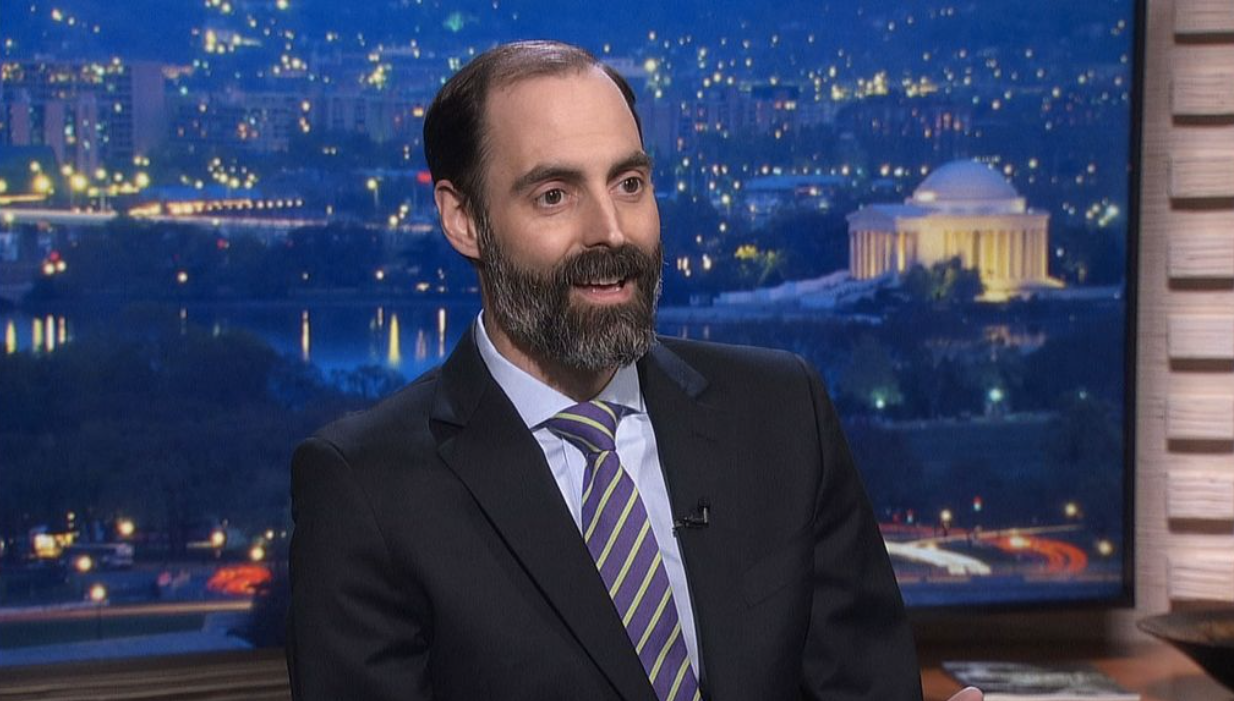
James Wallner brings firsthand Capitol Hill experience to his analysis, having worked at every level of Congress, from Legislative Assistant to Executive Director of the Senate Steering Committee. He is a Senior Fellow at the Foundation for American Innovation.
Follow me on X: @jameswallner

Has the Senate always relied on cloture to overcome obstruction and pass legislation? The historical record says no. Examining more than a century of Senate practice, this analysis challenges the claim that cloture has always been the only path to final passage, showing instead that the chamber's heavy reliance on Rule XXII is a relatively recent development with important implications for today's debate over the SAVE America Act.