
Analysis
Daines-Merkley Rules Reform Analysis
Senators Steve Daines and Jeff Merkley propose sweeping changes to Senate rules to expedite bipartisan legislation, strengthen committees, and increase amendment votes. But their reforms would also limit debate and restrict individual senators’ ability to offer amendments, shifting power from the full Senate to a subset of its members.
Summer Action on Continuing Resolutions Is Extraordinary
Since FY1977, only two continuing resolutions have reached a chamber's floor before September. Both of them passed this summer.
Congress Starts the Continuing Resolution Process Earlier Than Ever
Congress usually waits until September to pass a continuing resolution. This year, both chambers acted before the August recess.

Why Senators Surrendered Power to Party Leaders
Party leaders dominate today’s Senate because rank-and-file senators increasingly defer to them - not because the chamber’s rules require it. Senators accepted less influence over legislation in exchange for a more predictable schedule, fewer difficult votes, and less responsibility for making the Senate work.
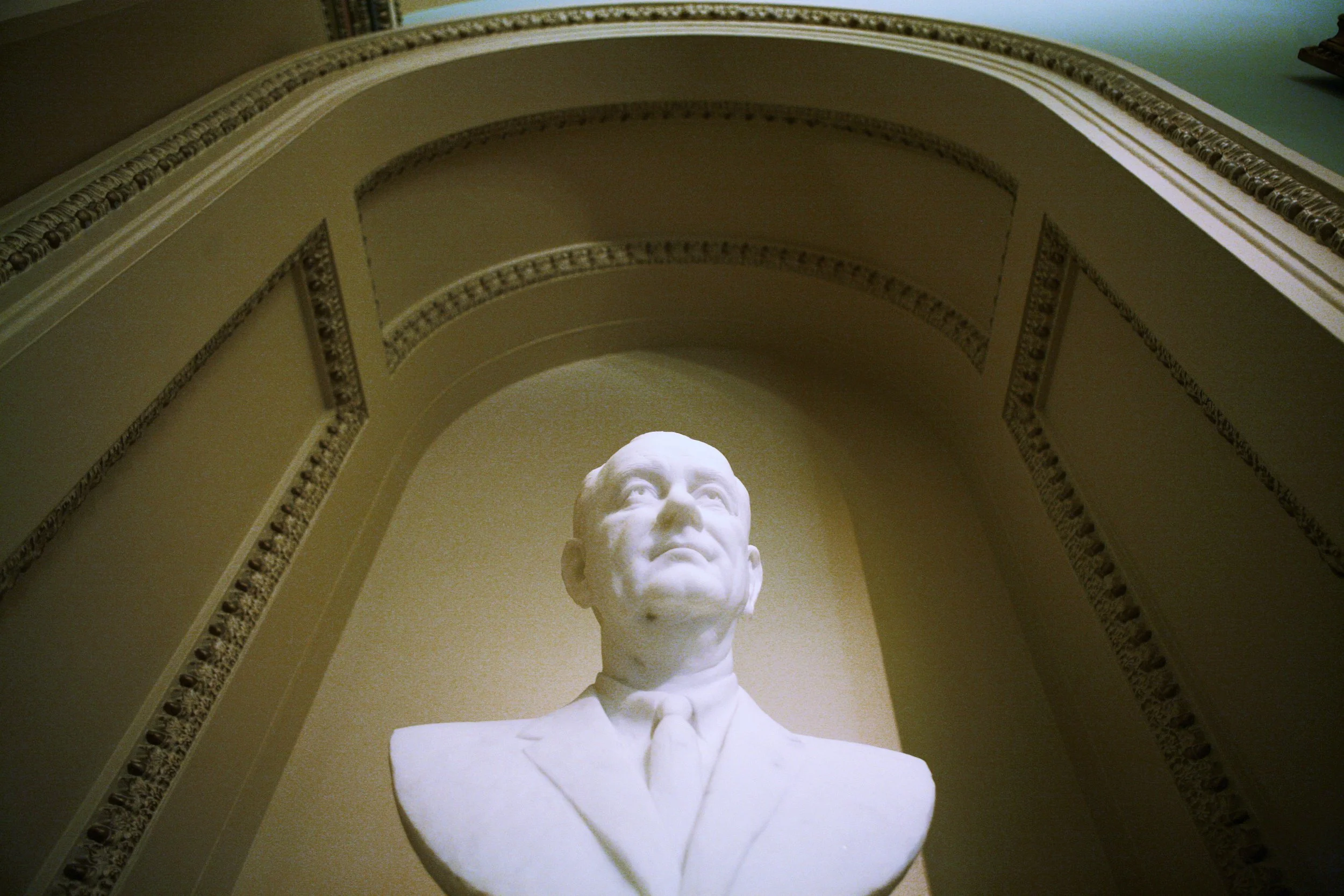
How the Senate Worked Before It Turned to Cloture
The Senate did not always rely on cloture, closed-door negotiations, and powerful party leaders to pass legislation. Committees developed bills, senators debated and amended them on the floor, and majority leaders managed the process without controlling it.
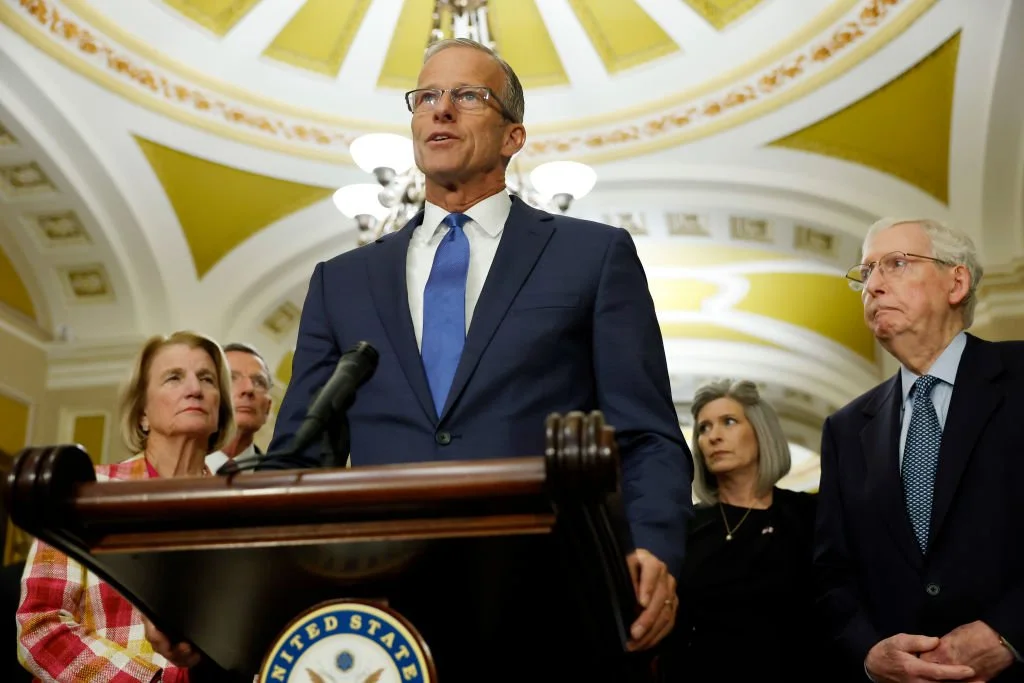
The Senate Can’t Know What Will Pass Until Senators Debate
The Senate cannot determine what legislation will pass by counting cloture votes before debate begins. Floor debate reveals senators’ resolve, tests possible compromises, and produces the information needed to legislate.
SAVE America Act Reveals What Really Causes Senate Gridlock
The Senate’s impasse over the SAVE America Act shows that gridlock is caused less by the filibuster than by senators’ unwillingness to bear the costs of legislating. Republicans are not forcing Democrats to sustain their opposition, while Democrats are not required to obstruct—leaving bipartisan inaction to masquerade as minority veto.
Why Senators Prefer Cloture
Senators accept the closed cloture process because it makes their work predictable, convenient, and insulated from responsibility - even as it prevents them from debating legislation, offering amendments, and advancing their priorities. The Senate’s dysfunction therefore results not simply from its rules, but from rank-and-file senators choosing to surrender their power to party leaders.

The Senate Has More Than One Way to Work
The Senate has no single way of considering legislation. The Republican debate over the SAVE America Act reflects a larger choice among collegial, majoritarian, and structured-consent approaches to debate, amendments, and decision-making.
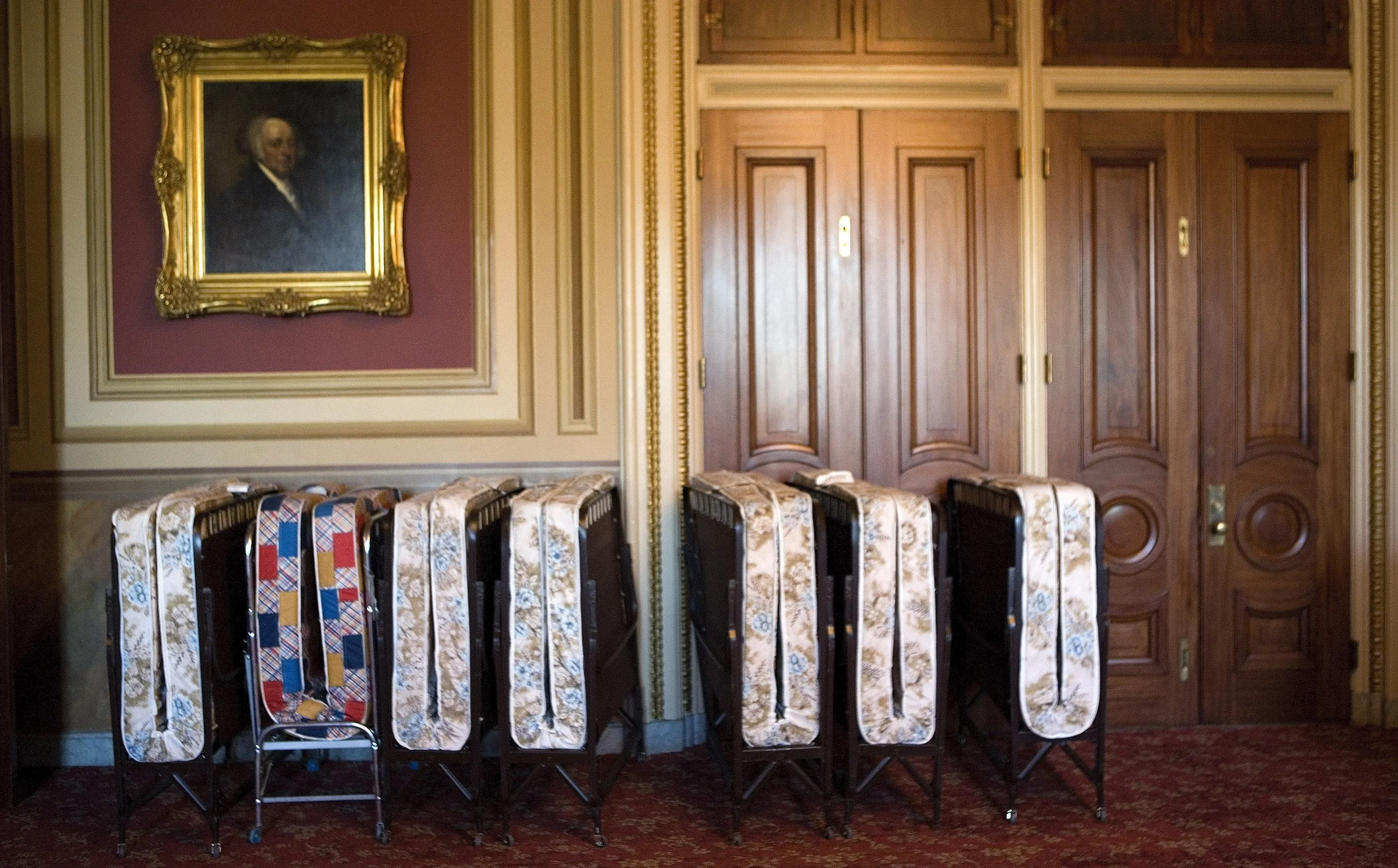
The Senate’s Cloture Cop-Out
Republican leaders say the Senate cannot debate the SAVE America Act because they lack the votes to invoke cloture, but cloture is not the only way to overcome obstruction. The Senate’s history shows that when senators believe Rule XXII prevents them from acting, they can either force opponents to hold the floor or try to change the rule.
Why GOP Leaders Oppose Talking Filibuster
The Senate’s growing reliance on cloture does not prove that major legislation cannot pass without 60 votes. It shows instead leaders’ reliance on cloture to manage debate, block unwanted amendments, and avoid difficult votes.

Data Shows Senate Hasn’t Always Relied on Cloture to Pass Legislation
Has the Senate always relied on cloture to overcome obstruction and pass legislation? The historical record says no.
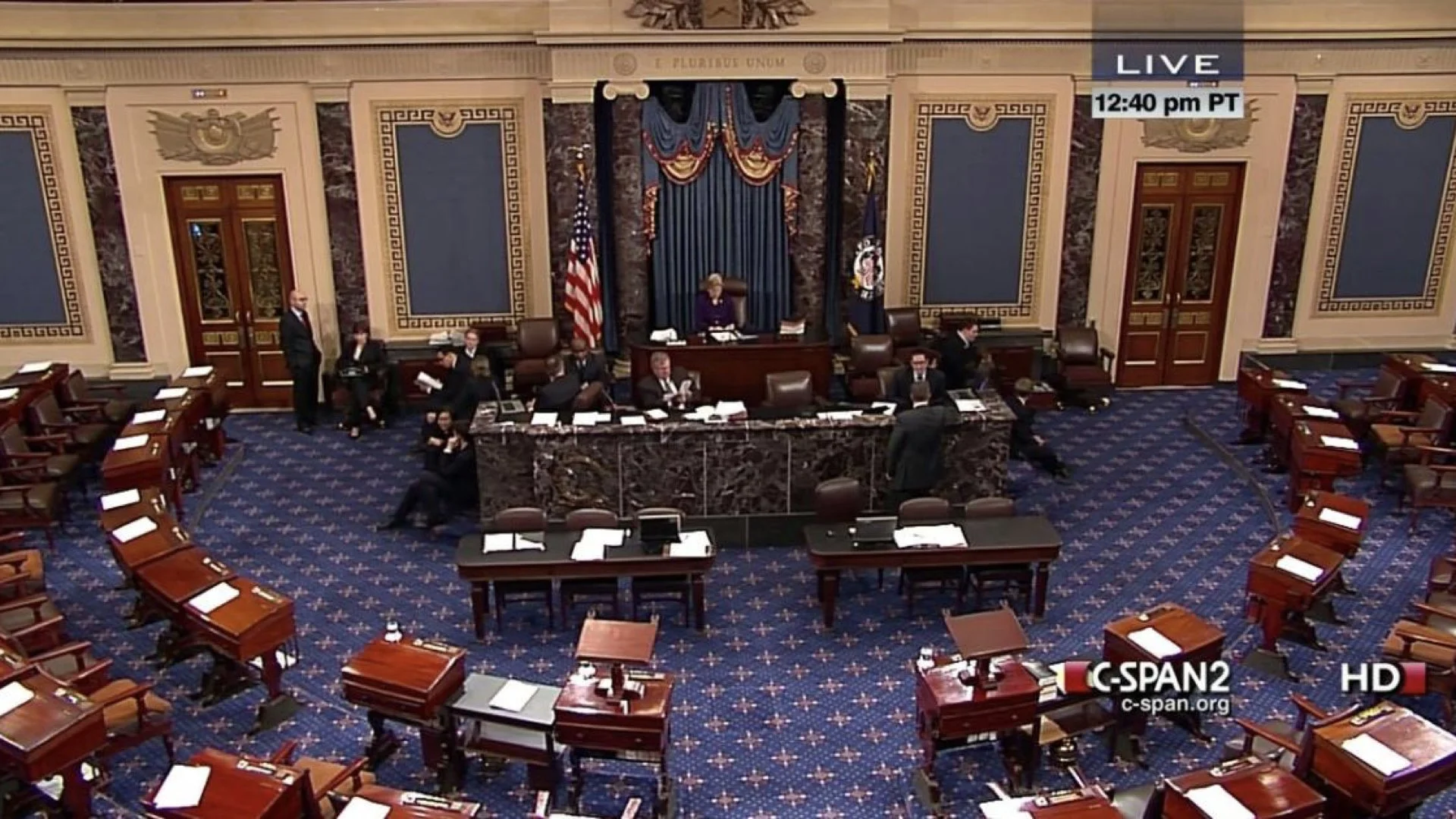
Requiring a Vote When Debate Ends
This reform would preserve and strengthen floor debate while preventing senators from using quorum calls routinely to freeze the floor and block the Senate from voting.
How to Move the Senate from Debate to Decision
The Senate does not need to choose between preserving debate and reaching decisions, and restoring a modified previous question motion would help the chamber do both.

How Filling the Amendment Tree Closed the Senate Floor - and How to Fix It
How majority leaders use the amendment tree to close the Senate floor to amendments—and how a simple rule change could reopen the process.
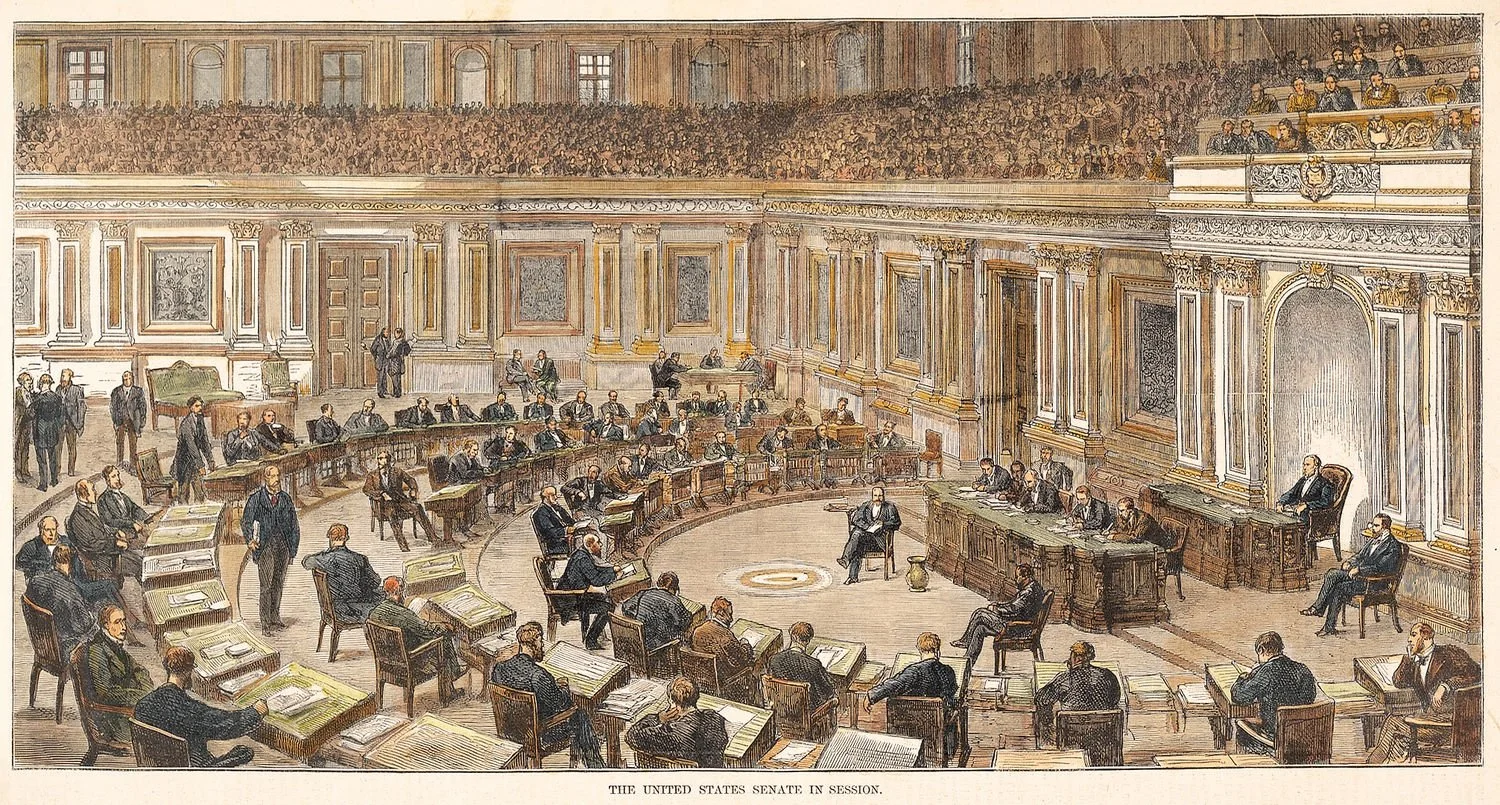
Limiting Debate on the Motion to Proceed
A package of Senate rules reforms would make the chamber more deliberative and productive, beginning with a proposal to limit debate on the motion to proceed so the Senate can actually get to legislation.

Fixing the Senate by Fixing Its Rules
A four-part rules reform package would address frustrations in both parties and help the Senate deliberate and legislate more effectively.
What the Byrd Rule Actually Does — and How to Navigate It
Senators who understand how to draft policy changes as terms and conditions on federal spending or revenue and frame them that way can overcome the Byrd Rule’s most subjective tests.
Can Reconciliation Save the SAVE America Act?
Passing the SAVE America Act in a reconciliation bill will take longer and is more complicated than forcing its opponents to mount a talking filibuster.
Senators Can Use Made-up Motions to Force Votes
Senators don’t need unanimous consent to act—they can use the rules to force votes.