
Analysis

Pocket Rescissions Are Not Illegal
This post argues that so-called pocket rescissions fit more comfortably within the law and practice than critics often admit.

How Congress Considers Rescission Bills
A useful primer on how rescission proposals move through Congress and where the pressure points lie.

Presidential Impoundments & the Rescission Process
A concise review of how budget execution fights often turn on technical but consequential statutory rules.

What Happens If House Changes Its Mind On Mayorkas Impeachment?
This piece explores what happens when the House revisits a decision after the process is already in motion.

Congress's Role in Presidential Elections: Part V
The final installment in a series on Congress’s constitutional and procedural responsibilities in presidential elections.

Congress's Role in Presidential Elections: Part IV
This entry continues the examination of how Congress fits into the electoral process at key moments of certification and dispute.

Congress's Role in Presidential Elections: Part III
A deeper look at the statutory and constitutional architecture that gives Congress a formal role in presidential elections.

Congress's Role in Presidential Elections: Part II
This installment builds the legal and historical foundation for understanding Congress’s electoral responsibilities.

Congress's Role in Presidential Elections: Part I
An introductory overview of Congress’s place in the presidential election process.

GOP Term Limits Complicate Effort to Replace McConnell
How internal party rules can shape leadership fights.

Negotiating Dynamics in the Debt Limit Debate
Senators need leverage to win debt limit fights.

What are congressional caucuses?
Caucuses shape outcomes by organizing members outside formal party structures.


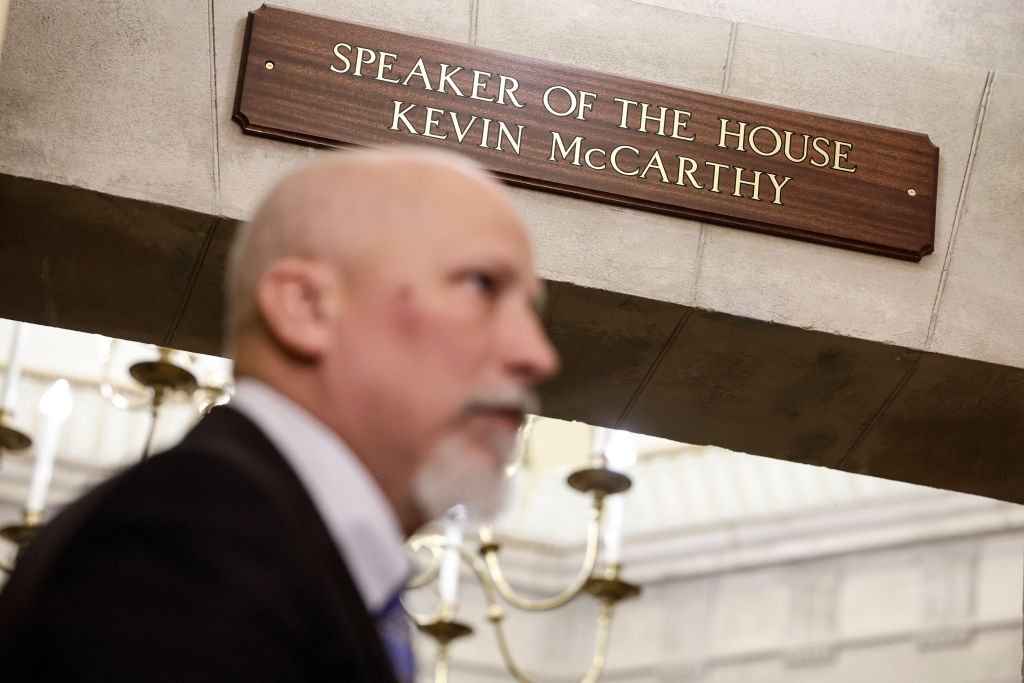
New Motion to Vacate Rule Unlikely to Disrupt House
Rule changes matter—but only if members are willing to use them.

Lawmakers Have Other Options
The path forward is rarely limited to what leaders say it is.



Democrats Take First Steps In Reconciliation Process
Reconciliation allows major policy changes without overcoming a filibuster.