
Analysis
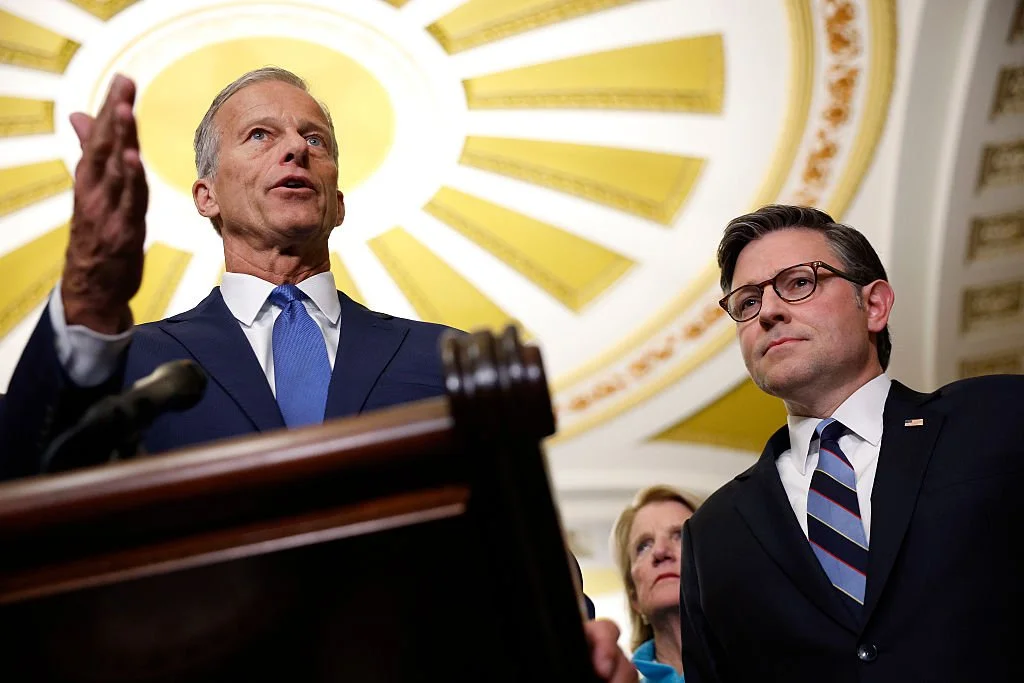
Summer Action on Continuing Resolutions Is Extraordinary
Since FY1977, only two continuing resolutions have reached a chamber's floor before September. Both of them passed this summer.
Congress Starts the Continuing Resolution Process Earlier Than Ever
Congress usually waits until September to pass a continuing resolution. This year, both chambers acted before the August recess.

House Makes Ending Talking Filibuster Easier
This post highlights how the House can make it easier for the Senate to pass legislation.

Pocket Rescissions Are Not Illegal
This post argues that so-called pocket rescissions fit more comfortably within the law and practice than critics often admit.

How Congress Considers Rescission Bills
A useful primer on how rescission proposals move through Congress and where the pressure points lie.

What Happens If House Changes Its Mind On Mayorkas Impeachment?
This piece explores what happens when the House revisits a decision after the process is already in motion.

House Considers Mayorkas Impeachment
A procedural guide to impeachment mechanics in the House and the political stakes when members bring such a resolution to the floor.


Negotiating Dynamics in the Debt Limit Debate
Senators need leverage to win debt limit fights.

What are congressional caucuses?
Caucuses shape outcomes by organizing members outside formal party structures.
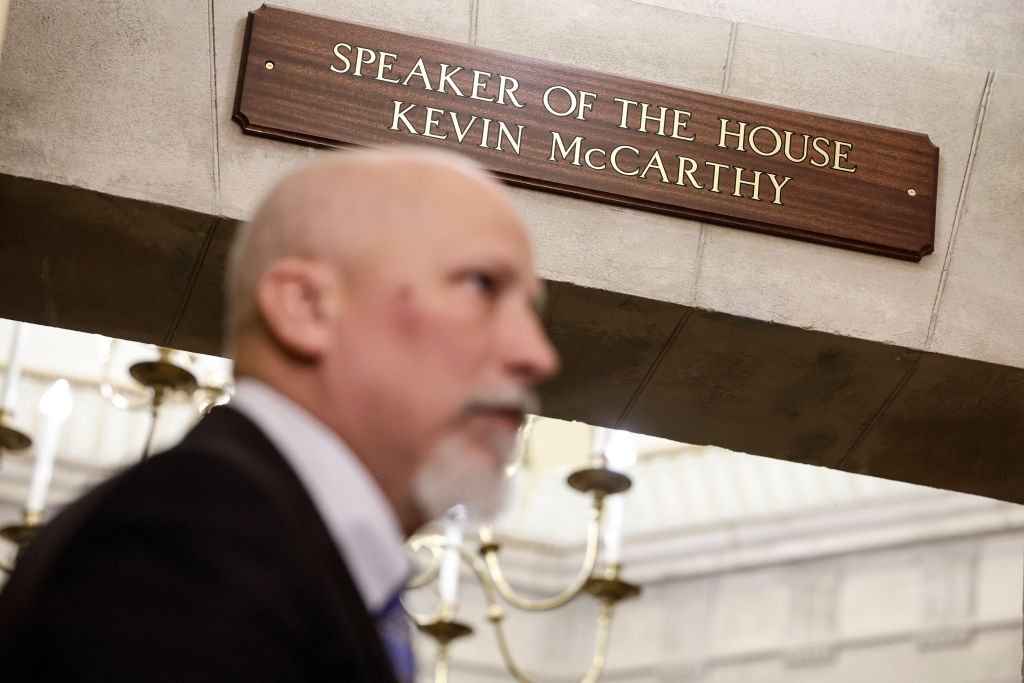
New Motion to Vacate Rule Unlikely to Disrupt House
Rule changes matter—but only if members are willing to use them.

What Happens When the House Picks a Speaker?
Electing a Speaker is simple in theory—and chaotic in practice.

Lawmakers Have Other Options
The path forward is rarely limited to what leaders say it is.


Democrats Take First Steps In Reconciliation Process
Reconciliation allows major policy changes without overcoming a filibuster.

House Democrats Can Help Senate Democrats Win Upcoming Reconciliation Debate
The House can help determine what the Senate is able to pass.

The Case Against Late Impeachment
Timing in impeachment is not just political—it’s procedural.

Latest Impeachment Effort Not Possible Under Rules
Not every political demand fits within the rules that govern Congress.

